Features
Stopping a fictional synthetic product endorsement built from a creator's portrait case
A fictional creator case traces a synthetic product endorsement through evidence, campaign pause, source review, correction, removal, and contract repair.
What to take away
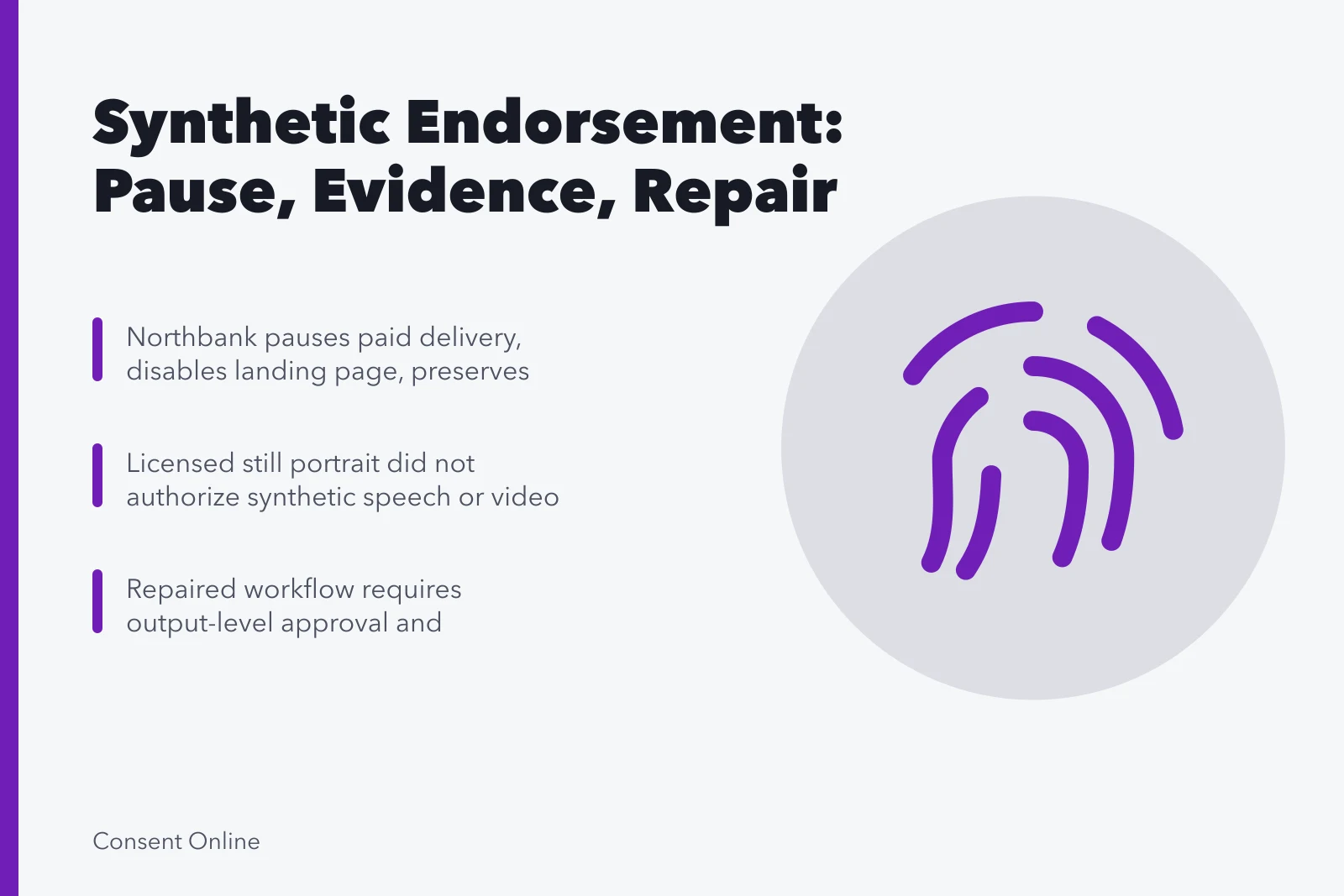
- The fictional brand pauses the campaign before debating technical details.
- A licensed portrait did not grant permission to generate a speaking endorsement.
- The team preserves the ad, placement, audience, and approval trail without amplifying it.
- Public correction states what was false without repeating the sales claim.
- Vendor access, model assets, and downstream copies are handled separately.
- The repaired workflow requires output-level approval and a synthetic-use schedule.
This case is fictional and educational. It does not determine liability under any country's law. The people, brand, vendor, product, and campaign are invented.
The discovery
Creator Dana Rios sees a paid video ad in which a realistic version of her face appears to praise a supplement. She did not record the words, use the product, or approve the ad. Her agency had licensed one portrait to Northbank Goods for a still-image newsletter six months earlier.
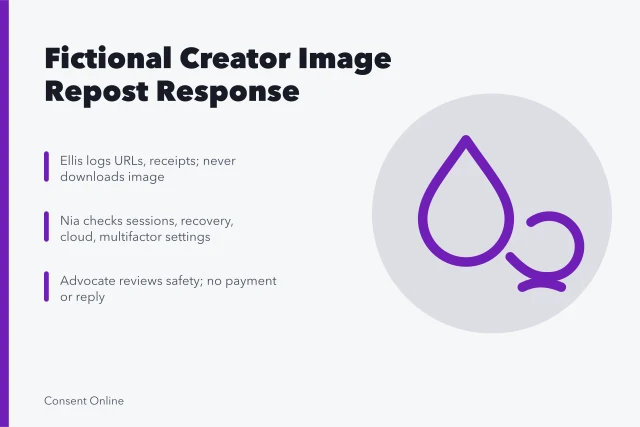
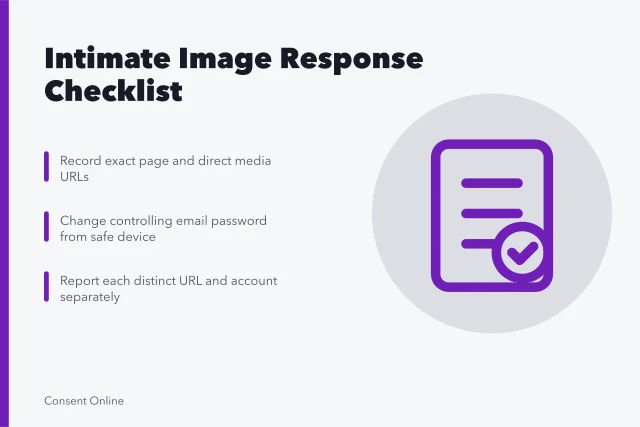
Dana sends her agent the ad's direct link and screen recording. The agent does not repost it publicly. She records the advertiser name, account, landing page, date, time zone, visible disclosure, and placement.
The immediate pause
Northbank's marketing director pauses paid delivery and disables the landing page while preserving an internal copy and campaign logs. The team tells the vendor to stop generation but not erase records until the evidence and legal hold question are reviewed.
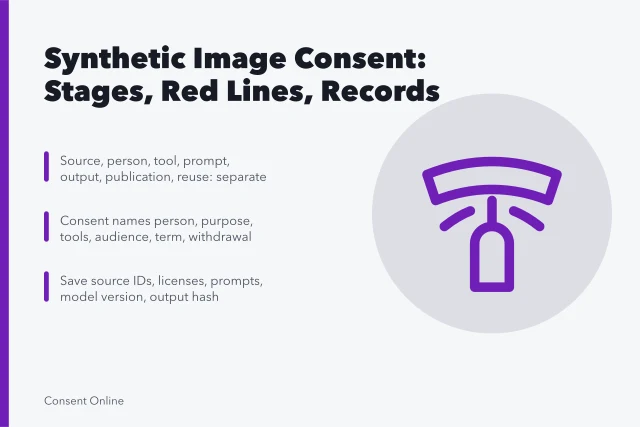
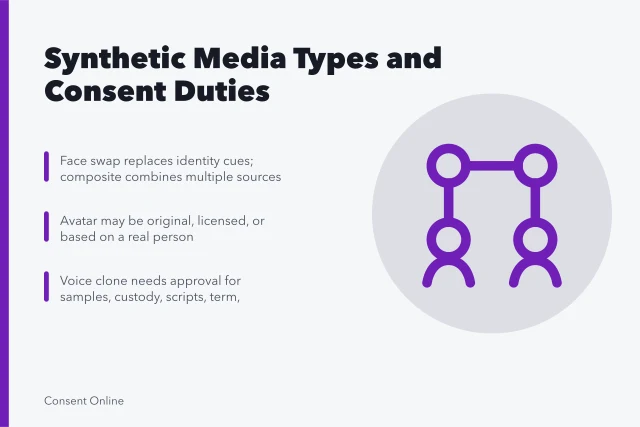
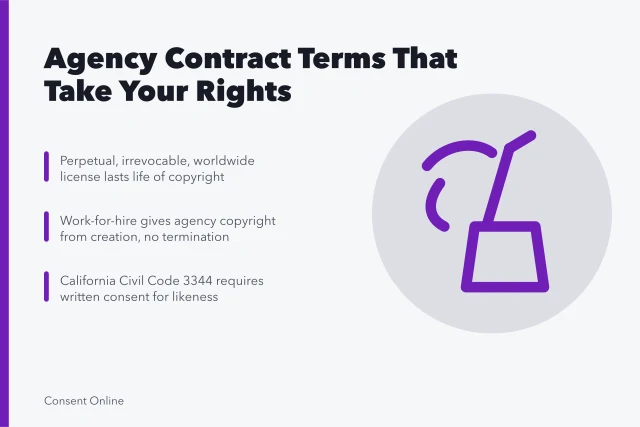
No one claims that the portrait license authorized the result. The original schedule allowed a named still image in one newsletter. It said nothing about synthetic speech, video, a supplement testimonial, paid social placement, or creation of a reusable model.
The FTC's consumer review and testimonial rule Q&A says there is no blanket ban on synthetic stock avatars. A celebrity avatar used without permission to praise a product can violate the rule if reasonable consumers think the celebrity gave the testimonial.
The fictional team treats that U.S. guidance as a risk flag, not a finding about Dana's case.
Reconstructing the chain
The internal review finds four decisions:
| Decision | Record found | Gap |
|---|
Synthetic endorsement chain
- Source upload: no synthetic-use approval
- Generation: no tool-term review
- Script: no product-use evidence
- Publication: no output-level likeness approval
The ad included a small "digitally created" footer after several seconds. The team does not treat that disclosure as consent or truthful endorsement.
Responding to Dana
Northbank gives Dana a direct contact, confirms the pause, provides known placement dates, and asks which communications channel she prefers. It does not ask her to sign a retroactive release.
The brand offers to cover an independent review of removal and retained model assets without conditioning help on silence. Dana chooses her own adviser. Both sides preserve their positions rather than drafting a public legal conclusion before the facts are checked.
Removal and correction
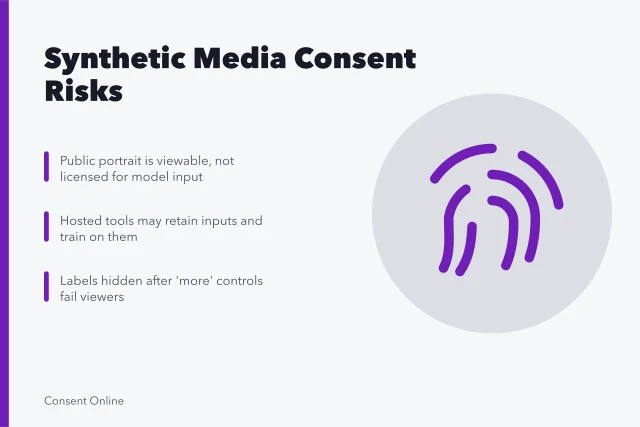
The media buyer stops active placements and requests deletion from downstream ad accounts. The vendor identifies the input portrait, generated outputs, custom settings, access logs, and backup cycle. The parties document what can be deleted immediately and what ages out later.
Northbank publishes a brief correction on the campaign account: Dana did not make or approve the testimonial, the synthetic ad was withdrawn, and consumers should disregard the attributed endorsement. It does not repeat the supplement claim.
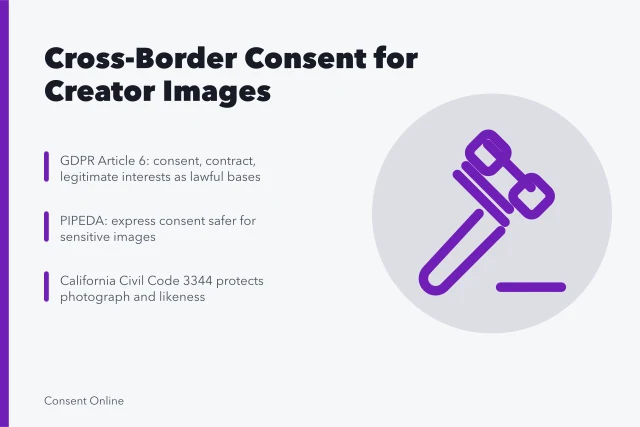
A 2025 Delhi High Court matter cataloged in WIPO Lex concerns personality rights, artificial intelligence, publicity rights, and deepfakes under Indian law. The team notes it only as evidence that legal treatment can be jurisdiction-specific, not as controlling authority for an unidentified market.
Repairing the workflow
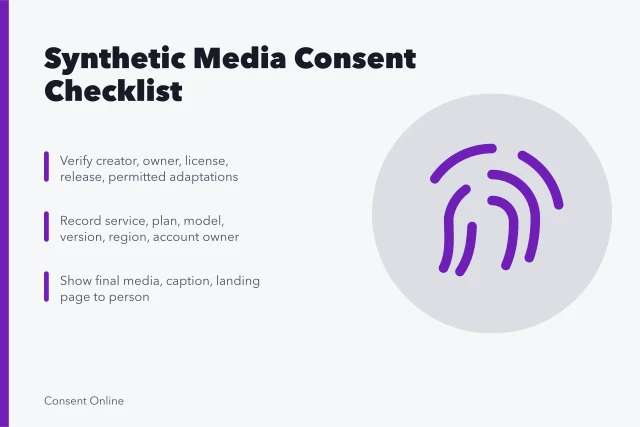
Northbank adds a synthetic-use schedule to future creator contracts. It names approved inputs, models, scripts, products, channels, term, disclosures, output review, retention, and prohibited contexts. A still-image license no longer enters a generation workspace without a separate approval code.
The brand also requires a campaign gate: no recognizable synthetic person can launch until rights operations matches the final file hash to the approved output. Vendors must disclose sub-processors, training use, human review, access, and deletion limits.
What remains uncertain
The case does not establish who first proposed the feature, whether the vendor retained a reusable model, which jurisdiction governs every placement, or which claims Dana could bring. Those questions require contracts, logs, technical evidence, and legal advice.
Common questions
Did the disclosure make the ad acceptable?
No. It did not create Dana's permission or make the attributed product experience true.
Why preserve records after stopping the campaign?
Logs and files may be needed to understand scope, satisfy legal duties, correct downstream use, and verify deletion.
Should the brand blame the contractor publicly?
Not before verified findings and contract review. The brand controlled publication and should correct the consumer-facing message promptly.
Can the original portrait be used again?
Only within any remaining valid license scope. The synthetic dispute does not automatically cancel or expand that separate agreement.