
Rules
Part of Photographing people in shared spaces: consent, releases, and online takedowns
Shared-space recording problems for online creators
Shared-space recording problems for online creators: hidden capture, venue disputes, bystanders, sensitive locations, objections, and lost file restrictions.
What to take away
- A visible camera can still hide audio capture, a livestream, or a second device.
- Verbal venue approval is weak when nobody can name its scope or the speaker's authority.
- A bystander becomes a featured subject once cropping, captions, or promotion make them identifiable.
- Sensitive locations need a necessity test, not just a signed form.
- An objection should trigger a file hold and a review, not a sidewalk argument.
Shared-space shoots fail on mismatched expectations. The operator thinks the project is observational. The organizer thinks every attendee agreed to marketing use. The recordist catches a private conversation. The editor gets the files with no restrictions attached.
Repair means three moves: stop the uncertain action, preserve an accurate record, and route each question to the authority that actually controls it.
Hidden capture inside an open setup
The camera is visible. The phone streaming live is not. Neither is the lapel mic left running through a break, or the action camera on the no-photo route.
Recording device inventory
- List every recording device and default
- Mark live status clearly
- Mute during private periods
- Disable automatic cloud publishing
- Isolate files if undisclosed capture occurred
- Document facts before editing or deleting
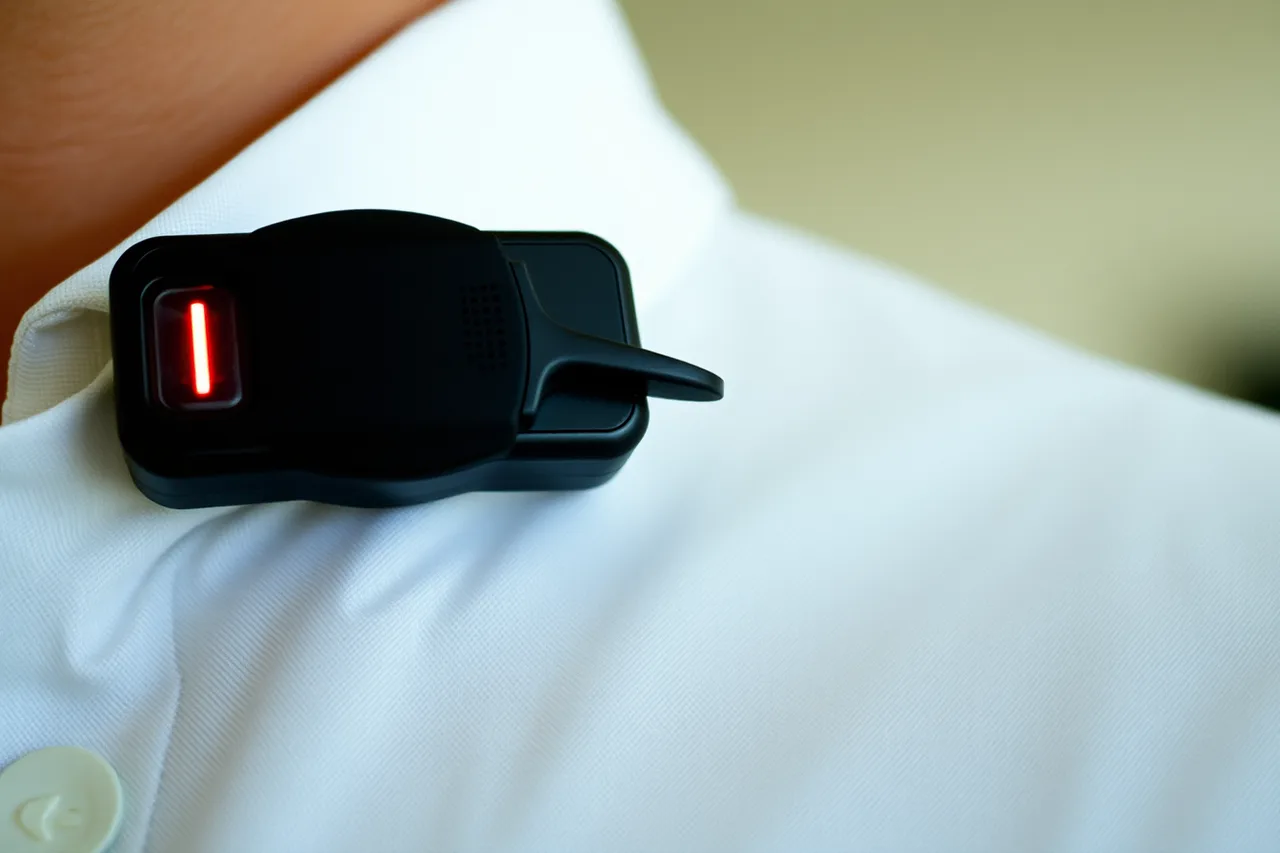
Notice that does not describe the real capture is not notice. Audio and hidden-camera law can differ from still-photography law, and a livestream removes the pause that lets an editor catch a face or a private sentence before it airs.
The Reporters Committee for Freedom of the Press says U.S. states regulate recording and disclosure of conversations differently. Some apply separate hidden-camera statutes.
Its introduction to the Reporter's Recording Guide notes that criminal and civil consequences can both apply, and that the guide is not legal advice.
Federal and state rules can both matter. The Federal Wiretap Act (18 U.S.C. § 2511) addresses interception of wire, oral, and electronic communications; California Penal Code § 632 is one state statute governing confidential communications. Check the law where capture occurs rather than trusting “one-party” or “public place” shorthand.
Repair: list every recording device and its default state. Mark live status on the call sheet, mute during private periods, and switch off automatic cloud or social publishing. If undisclosed capture happened, isolate the files and stop distribution. Write down the facts and get qualified advice. Do this before you listen further, edit, or delete.
Unclear venue approval
A staff member waves the crew through. Security later cites a no-tripod rule. The contract manager says commercial filming needed written approval.
Venue approval repair steps
- Pause setup immediately
- Identify the controlling office
- Produce the project footprint
- Obtain written terms
- Reduce activity or relocate if unconfirmed
- Preserve communications without accusing staff
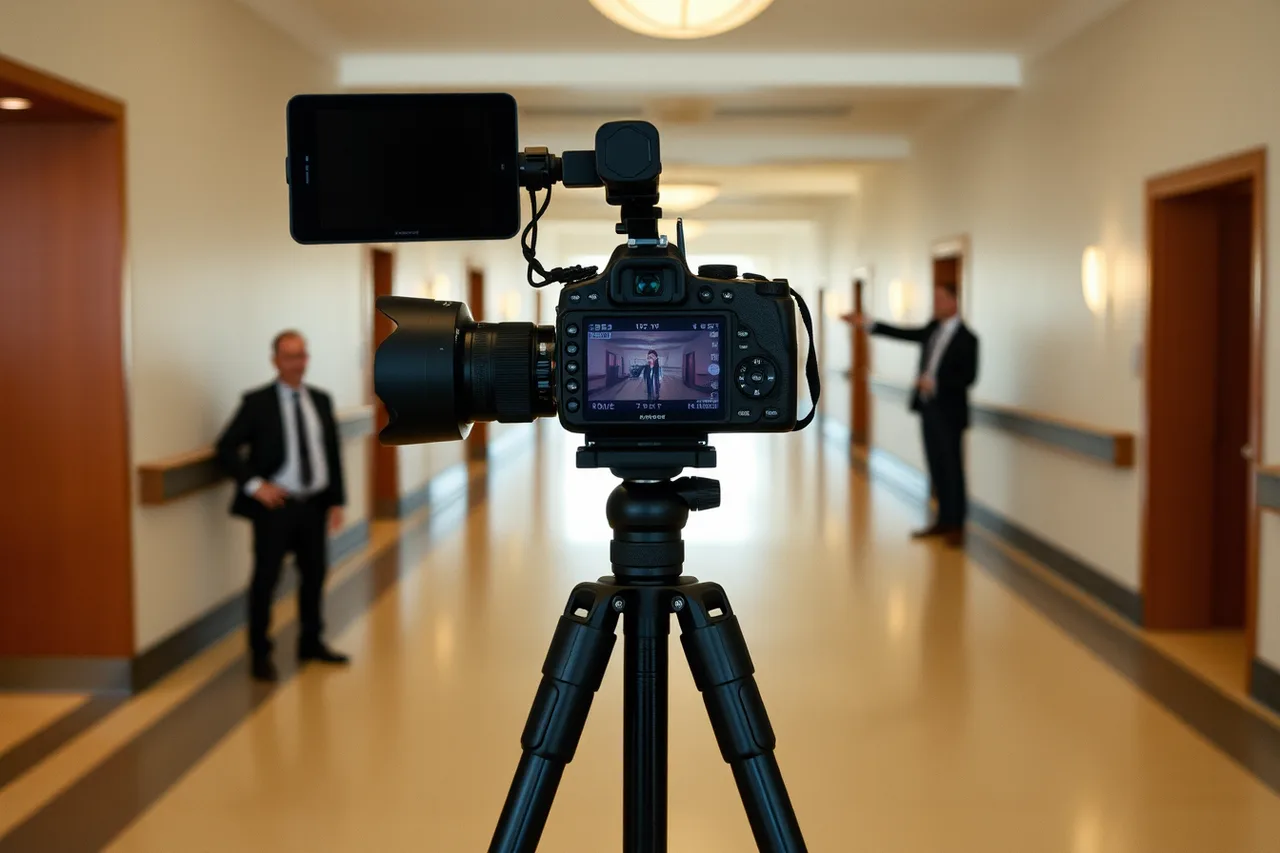
The person who said yes may not control:
- area
- time
- equipment
- event
- tenant space
- publication
Permission to visit is not permission to block a walkway, rig lights, or enter restricted rooms.
Repair: pause setup. Find the office that actually controls the space, such as the property manager, venue operations office, event organizer, or (for a city-controlled site) the municipal film office or parks department. Show the project footprint and get written terms. If nobody can confirm approval, scale down to what is plainly allowed or move; keep the email thread intact and do not blame frontline staff in writing.
Bystanders become featured subjects
A passerby sits at the edge of a wide shot. The editor crops tight, tags the face, pairs it with a health claim, or hands the frame to a sponsor.
The new framing and context turn incidental presence into identifiable representation. A location permit or a crowd notice may not cover the changed use, and a caption can cause harm the original frame did not.
Repair: review the uncropped frame, the intended meaning, the source's authority, the person-level rights, and the planned use. Then pick another frame, remove the identification, get suitable permission, or drop it. Blur is not automatically enough when clothing, companions, location, or file metadata still point to one person.
A worked example: the clinic exterior
A crew shoots a documentary about wait times outside a reproductive health clinic. The wide shot includes a woman leaving the door and getting into a car. The plate is readable.
- Does the frame need a person at all, or does the building and signage carry the story?
- Does presence at this address reveal something sensitive about her?
- Can the shot be reframed, reshot at a different hour, or reconstructed with a stand-in?
- If the person stays in frame, has she given direct, unpressured consent for this use and this term?
- Has the file been flagged so the restriction travels with it downstream?
Presence alone can expose attendance, a relationship, or a health status. People near a shelter, a counseling room, a religious service, or a protest planning meeting often have limited ability to refuse. General access authority does not answer confidentiality, safeguarding, source protection, or data questions.
Ask whether the image is necessary before asking whether it is allowed. Move the shoot, reconstruct without identifiable people, cut the crew size, strip location clues, or cancel.
Objection is met with a legal slogan
Someone asks not to be recorded. A crew member answers, "This is public, so we can do anything," keeps filming close, and posts the confrontation.
That slogan may be wrong, incomplete, or irrelevant. This applies to harassment, audio, publication, venue, or safety. Pursuing the person changes the facts of the encounter and raises the risk to everyone on site.
Metropolitan Police location-filming guidance tells productions to weigh public safety, local authorities, high-visibility crew clothing, and circumstances that may need police involvement. The Met guidance for filming on location covers policing practice in England and Wales. It does not grant image rights, and it is not a substitute for local law where you are standing.
Repair: pause, create distance, move equipment out of the person's path, and bring the designated lead. Hear the concern without demanding personal details. Mark the affected files and give a review contact. Call emergency services for an immediate threat to safety, never to pressure a peaceful objector.
Files lose their location restrictions
An agency receives the selects but not the permit, the no-recording requests, the performer limits, or the publication window. It uploads everything to a general brand library.
The next user sees a technically clean image and no reason to stop. Rights and context vanish at the handoff.
Repair: send a rights summary with every delivery, in a form both a person and a system can read. Cover location, date, subject status, permitted use, and term. Also cover restrictions, any objection hold, and a contact. Block download on unresolved assets and audit exports on a schedule.
Common questions
Is a camera hidden if everyone can see the operator?
One capture mode can still be undisclosed. Check audio, secondary devices, remote cameras, livestreams, and anything still running during breaks. The visible rig is only part of what the room agreed to.
Should a creator delete footage the moment someone asks?
Pause the use and secure the file. Deletion may be the right end point, but evidence duties, contracts, or a news record can require review first. Do not promise an outcome you have not checked.
Can an editor rely on the photographer's assurance?
Ask for the location and person-level records behind it. A verbal assurance often misses the channel, the term, the audio, or an objection limit. If the paperwork does not exist, treat the asset as unresolved.
When should the shoot leave?
When authority cannot be confirmed, when safety is getting worse, when a controlling official lawfully directs it, or when the production cannot honor the boundaries it promised participants.