
Guides
Deletion, Moderation, Archives: What Copies Persist Online
When you delete a post, what really disappears? This guide explains the persistence of images in moderation queues, backups, and archives.
When you delete a post or account from a social media platform, you might assume the image vanishes forever. However, the reality is far more complex. Deleting content on the user-facing side is just the first step in a longer process. Copies can persist in moderation queues, system backups, content delivery network (CDN) caches, and on third-party sites through screenshots and mirrors.
This guide explains what "deletion" truly means for online platforms, where copies of your images can remain after you remove them, and what legal tools—like the DMCA and the TAKE IT DOWN Act—can help address these persistent copies. Deletion by the uploader may remove a live post without instantly eliminating every copy, requiring separate action for caches, backups, and third-party reposts.
The Lifecycle of a Deletion
A user's deletion command typically removes a post from public view on the platform. The direct URL no longer works, and the content disappears from the user's profile. Behind the scenes, however, the data follows a more complicated path. Platforms must manage content across vast, distributed systems while handling legal obligations and internal review processes.
A request to delete content may trigger several simultaneous processes. The main post is marked for deletion and made inaccessible, but copies may be retained for a period in moderation queues, especially if the content was reported. The removal command must also propagate to various server caches worldwide, which can take time.
Moderation and deletion reality
- Post removed or reach limited
- Account disabled or evidence preserved
- Copyright, privacy, impersonation reports differ
- Deletion removes live post only
- Caches, backups, embeds, downloads persist
- Record URLs, dates, report numbers
Clear rights before upload
- Identify photographer and copyright owner
- List each recognizable person and performer
- Check artwork, music, location restrictions
- Note employer or client interest
- Define exact purpose of use
- Read service terms for account, region, date
Finally, platform backups created for disaster recovery may contain the data for weeks or months until they are overwritten. While not publicly accessible, these copies still exist. Understanding this lifecycle is key to knowing what you can and cannot control.
Where Deleted Images Can Persist
Even after you hit delete, an image can live on in several places, both within and outside the original platform's control.
Internal Platform Systems
- Moderation Queues:If an image was reported for a policy violation, a copy is often sent to a moderation queue. This copy may be retained for review, appeals, and training, even if the original uploader deletes the public post.
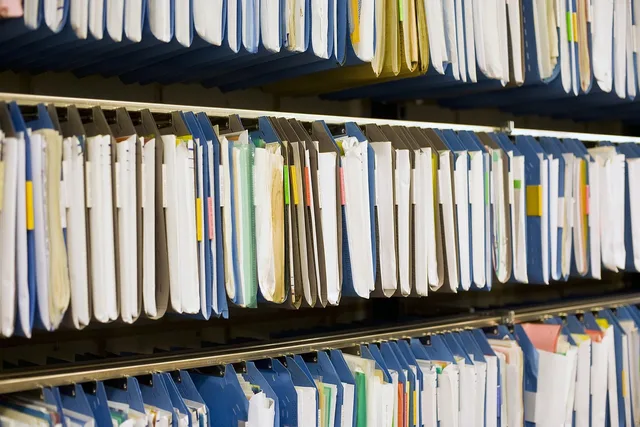
- System Backups and Archives:Platforms regularly back up their data to prevent loss from technical failure. Terms of service often state that content may remain in backups for a limited time after deletion. These archives are not live, but law enforcement or legal discovery could potentially access them.
- Legal Holds:If an account or piece of content is part of a legal investigation or dispute, a platform will place it on a "legal hold," preserving the data indefinitely, regardless of deletion requests.
Cached and Mirrored Copies
- Content Delivery Networks (CDNs):To load content quickly for users around the world, platforms use CDNs, which store cached copies of images on servers closer to the user. When an image is deleted, it can take time for the deletion command to reach every CDN server and clear the cache.
- Search Engine Previews:Search engines like Google crawl and index public content. They may store a cached version or thumbnail of your image that appears in search results even after the original page is gone. This requires a separate removal request directly with the search engine.
- Third-Party Archives:Services like the Internet Archive's Wayback Machine periodically crawl and save public web pages. A public post may be archived before it is deleted, creating a permanent record on a separate service.
Off-Platform Copies
Once an image is posted, it can be copied in ways that are completely outside the platform's control. These are different acts of distribution that deletion cannot reverse:
- Screenshots and Screen Recordings:Any viewer can capture a screenshot or recording of their screen, creating a new image file on their device.
- Downloads:If a platform allows downloading, users can save a direct copy of the image file.
- Re-uploads:A person who has a copy can re-upload it to the same or a different platform, creating an entirely new post that must be addressed separately.
Legal Tools for Removing Persistent Copies
When deletion isn't enough, specific legal frameworks provide routes for compelling the removal of persistent, unauthorized copies.
Audience exposure levels
Narrowest
- Private recipients
- Lowest exposure
- Approved contacts
- Limited reach
- Group members
- Shared context
- Unlisted-link holders
- Hidden but open
- Followers
- Broad reach
- Public
- Maximum exposure
Widest
- Private recipients
- Still copyable
- Approved contacts
- Screenshots possible
- Group members
- Forwarded links
- Unlisted-link holders
- Link sharing
- Followers
- Screen recording
- Public
- No copy control
Copyright Law: DMCA Section 512
If you are the copyright owner of the image (or an authorized agent), the Digital Millennium Copyright Act (DMCA) provides a powerful tool. The law's "notice and takedown" process allows you to report infringing copies to online service providers.
Under the procedure, a copyright owner submits a notification to the service provider's designated agent. A valid DMCA notice must contain specific elements required by Section 512(c)(3)(A) of the DMCA, including identification of the copyrighted work and the infringing material, your contact information, and a statement under penalty of perjury that you are authorized to act. Once a platform receives a compliant notice, it must act expeditiously to remove or disable access to the material.
The platform then notifies the user who uploaded the content. That user can file a counter-notification if they believe the removal was a mistake. If the subscriber serves a compliant counter notification, the service provider must restore the material within 10-14 business days unless the copyright owner files a court action.
Intimate Image Law: The TAKE IT DOWN Act
For nonconsensual intimate imagery, the TAKE IT DOWN Act created a new federal removal pathway. The Federal Trade Commission enforces Section 3 of the Act, which becomes effective May 19, 2026. The law applies to "covered platforms," a broad definition that includes social media, messaging, and video sharing services.
Under the Act, a platform that receives a valid request must remove the intimate content. Critically, it also requires the platform to remove all known identical copies within 48 hours. This requirement to proactively find and remove identicals offers a stronger remedy than a simple post deletion. Platforms must establish a process for individuals (or their authorized representatives) to submit these requests.
State Data Privacy Laws
Some state laws, like the California Consumer Privacy Act (CCPA), provide a "right to delete" personal information that a business has collected. While powerful, the application of these laws to user-generated content on social platforms can be complex. They often contain exceptions for content, and their scope may not cover every situation. However, they represent another potential avenue for requesting the removal of personal data from a company's systems, including some archives and logs.
Keep a Publication Ledger
Tracking where an image has been published is the first step in managing its potential persistence. For creators and businesses, a publication ledger is an essential tool. It allows your team to know which images are live, where they are, and under what authority, without searching through every account and device.
For each asset, record the source file, rights owner, participant consent, the specific account used for posting, and the live URL. Log the date you review platform terms and the audience settings you select. If a post is removed, record the date, the reason, and any report numbers. This record becomes your map for chasing down any persistent copies that need separate action.
Publication ledger fields
- Source file and rights owner
- Participant status and approved edit
- Posting account and terms-review date
- Live URL, audience, paid status, partner
- Start, end, scheduled deletion
- Reports and disposition
- Keep credentials out of ledger
Common Questions
Does account deletion erase every copy online?
Why is my deleted photo still in Google search results?
What's the difference between a DMCA notice and a TAKE IT DOWN Act request?
Can a platform keep my data after I delete my account?
In this guide
- How to review platform terms before uploading another person's imageReview platform terms before upload by matching your signed consent record to what the service's user agreement claims about license, reuse, and deletion.
- Original upload, repost, share tool, embed, screenshot, download, and off-platform reuse comparedPlatform distribution actions compared across original uploads, reposts, share tools, embeds, screenshots, downloads, and off-platform reuse, with permission checks.
- Ownership, consent, platform license, audience, tags, downloads, reuse, reporting, deletion, and archive checklistA working checklist for image ownership, consent, platform licenses, audience controls, reporting routes, deletion limits, and publication records.
- Platform image reuse problems: assumed permission, stripped credits and incomplete deletionPlatform image reuse problems come from assumed permission, stripped credits and deletion that stops at one screen. Here is what to check and where to report.
- Unauthorized promotional repost case: a fictional responseAn unauthorized promotional repost case shows a fictional creator's evidence, takedown options, rights review, and compliant replacement terms.