
Maintenance
Part of Images of minors: safety workflow from capture to removal
Child, guardian, authority, purpose, location, clothing, identifiers, audience, reuse
A working checklist for child image consent that covers welfare, guardian authority, capture, identifiers, audience, reuse, withdrawal, and retention.
What to take away
- Run a welfare, purpose, location, audience, and reuse test before anyone opens a release form.
- Confirm guardian authority and the child's own willingness as two separate decisions.
- Sweep clothing and each image for identifiers before publication.
- Treat closed sharing, public web, social, press, sponsorship, and advertising as separate permissions.
- Give refusal and later withdrawal a quiet, working route that does not single the child out.
Use this checklist for planned images of minors in these settings:
- schools
- clubs
- charities
- community groups
- creator work
- campaigns An unresolved box is a stop, not implied permission. This is an operational checklist for the United States and Canada, not legal advice.
Welfare and purpose
Decide if a child image is needed
Does the purpose require an identifiable child image?
Check welfare and long-term effect
Use nonidentifying detail, illustration, or no image
- A defined purpose requires or reasonably supports an identifiable child image.
- A nonidentifying detail, illustration, adult reenactment, or no image was considered first.
- The child's best interests and foreseeable long-term effect were assessed.
- The story does not stereotype, humiliate, sexualize, stage trauma, or imply gratitude or endorsement.
- A safeguarding lead can halt capture and publication at any point.
- Siblings, peers, and family safety sit inside the risk review.
Child and adult authority
- The child's age, communication needs, and ability to understand are considered without unnecessary public labeling.
- Parent, guardian, agency, school, or representative authority is verified.
- Any court, care, custody, or safeguarding restriction is checked through authorized staff.
- The child receives an honest, age-appropriate explanation.
- The child gives an affirmative response and has a clear stop signal.
- Distress, silence, hiding, or refusal stops optional capture.
- Decisions are refreshed when authority or the child's understanding changes.
A release form or consent document should name the purpose, specific uses, platforms, audience, territory, start and end date, withdrawal route, guardian signature, child assent note, and review date.
The ICO's UK Children's Code tells online services likely to be accessed by children to make best interests a primary consideration, use high-privacy defaults, minimize data, and limit sharing and geolocation. Its age-appropriate design code applies in a defined UK data-protection setting and is not a universal release checklist.
In the United States, COPPA applies to covered online services directed to children under 13, FERPA applies to education records in covered schools, and state image-consent rules can add requirements. In Canada, PIPEDA and provincial privacy laws can apply. Check the current rule for each setting.
Verify child and adult authority
- Consider age, communication needs, understanding
- Verify parent, guardian, agency, school authority
- Check court, care, custody restrictions
- Give honest age-appropriate explanation
- Get affirmative response and stop signal
- Stop optional capture on distress or refusal
- Refresh decisions when authority changes
Capture setting
- The location is public enough for the planned activity and approved by the responsible organization.
- Changing, bathroom, sleeping, treatment, counseling, and other private areas are excluded.
- The shoot is observable and interruptible under safeguarding policy.
- Authorized equipment and staff are identified.
- Personal devices and automatic cloud backups are prohibited unless expressly managed.
- Clothing, pose, camera angle, crop, and behind-the-scenes capture are appropriate.
- Children who decline can still take part without a conspicuous badge or inferior placement.
Identifiers
Review identifiers before publication
- Name, voice, handle, school, club, team
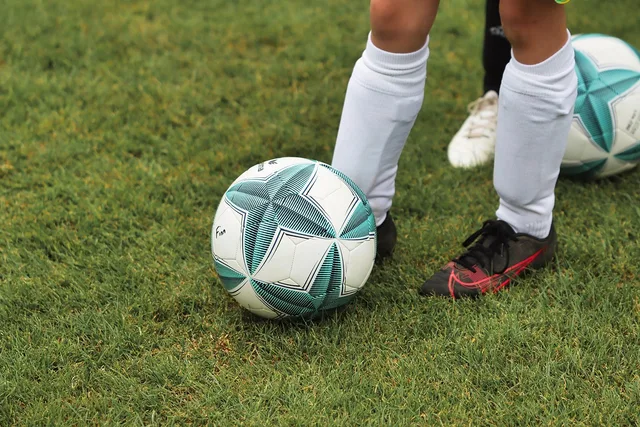
- Uniform, badge, and number
- Address, street, bus, landmark, timetable
- Practice time and repeated route
- Health, disability, care, migration, religion
- Filename, geolocation, device, face-grouping
- Caption, tag, alt text, other children in frame
- Clothing, uniforms, badges, and logos that name the child, school, club, or team.
- Background details such as street signs, house numbers, landmarks, and room features.
- Captions, tags, alt text, filenames, and hashtags that name the child or location.
- Voice, accent, and spoken details that identify the child.
- Metadata such as geotags, device data, timestamps, and embedded author fields.
- Posting schedule and cross-posting that reveal routines, locations, or attendance.
- Names, ages, diagnoses, and school or team details unless necessary and safe.
Audience and platform
- Internal record, classroom, closed portal, family delivery, print, public web, social, press, sponsor, and advertising uses are separate.
- Account, audience, region, term, downloads, comments, messages, embedding, remixing, and location features are reviewed.
- The child and adult know whether the image can be searched, copied, or shared.
- Paid placement and commercial endorsement require specific review.
- The platform's current child and account rules are followed.
Reuse and withdrawal
- A new campaign, advertiser, platform, audience, edit, AI tool, or training use triggers fresh review.
- The child and authorized adult have a monitored contact.
- Staff can pause scheduled posts and locate live images quickly.
- Safety requests receive immediate triage.
- Print, cache, backup, archive, and third-party limits are explained accurately.
- Withdrawal is logged with the date, requester, assets removed, and remaining limits.
Storage and retention
- Raw, selected, published, release, identity, and incident records have separate schedules.
- Files move from cameras to controlled organizational storage promptly.
- Working folders show permitted uses and expiry.
- Guardian documents are not exposed to general editors.
- Access ends when staff, volunteers, or contractors leave.
- Deletion or archival disposition is recorded.
- Deletion and withdrawal records name the date, requester, assets removed, and remaining limits.
Typical retention periods: raw files 30 to 90 days after selection; working files 1 year; release forms and consent records 3 to 7 years after the consent ends. Incident records: 7 years. Published images: review every 6 to 12 months. These are typical ranges, not legal mandates.
Record each deletion or withdrawal with the date, requester, assets removed, and any remaining limits.
The UK Department for Education's school photo and video data guidance supports several checks in schools:
- checking restrictions
- secure transfer
- contractor roles
- personal-device backups
- publication
- new technology Apply it only in its stated UK context.
Common questions
Why can a signed form still fail this checklist?
The child may object, the authority may be invalid, the use may change, or publication may create unacceptable safeguarding risk. A signature records one moment, not a standing permission.
Should every group photo be banned?
No blanket answer fits. Assess these factors before deciding for that image:
- purpose
- recognizability
- location
- identifiers
- notice
- authority
- welfare
- governing rules
Can a child image be stored on a volunteer's phone?
Follow organizational policy and law. Controlled equipment and prompt secure transfer reduce personal backup and offboarding risk.
What if the child asks for removal years later?
Locate the record and copies, prioritize safety, apply current law and terms, stop covered use, and explain any limits clearly.